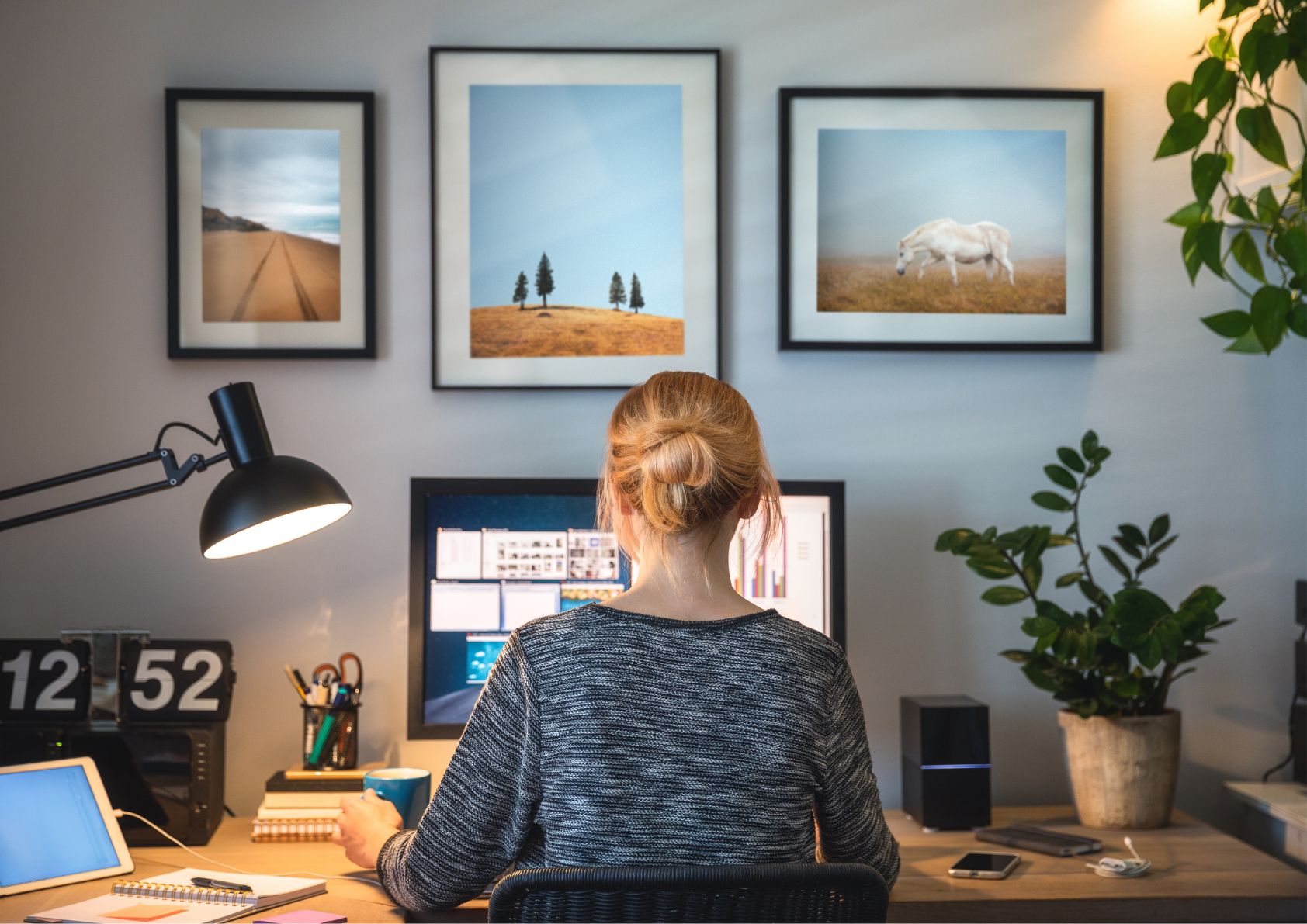
For decades, one phrase defined real estate decisions.
Location, location, location.
Traditionally that meant one thing. How close a home was to work. Commute distance shaped where people lived, how much they paid, and how they evaluated neighborhoods.
But that definition has changed.
Today, the new commute in real estate looks very different than it did even a few years ago. Remote and hybrid work have reshaped how buyers think about location, and many people now evaluate time, flexibility, and lifestyle just as much as distance.
The office is no longer the only center of daily life.
For many buyers, commuting five days a week is no longer the reality. Some people work from home full time. Others travel to an office only a few days a week. This shift has given buyers something they rarely had before: choice.
When daily travel becomes less frequent, location decisions open up.
Instead of focusing only on proximity to a workplace, buyers start asking different questions. How much space do we want? How important is outdoor living? What type of community fits our lifestyle?
The answers often lead to different neighborhoods than buyers would have considered in the past.
Understanding the new commute in real estate means recognizing that time has become more valuable than distance. A longer drive once or twice a week may feel acceptable if it provides more space, quieter surroundings, or better affordability.
For many people, that trade-off is worth it.
Lifestyle has become a stronger driver of housing decisions. Buyers are looking for homes that support daily living, not just quick access to downtown offices. Home offices, flexible spaces, and comfortable living environments now rank high on many wish lists.

The home itself has become part of the work environment.
This shift also changes how buyers evaluate square footage. A dedicated workspace can matter more than a formal dining room. Natural light, quiet areas, and layout flexibility can influence decisions more than traditional features.
Buyers are thinking about how the home functions throughout the entire day.
Another effect of the new commute in real estate is how people evaluate neighborhoods. Walkability, outdoor recreation, and nearby amenities often become more important when people spend more time close to home.
If work no longer requires a daily drive into the city, buyers may prioritize parks, local restaurants, or community spaces instead.
The rhythm of daily life changes.
Affordability also plays a role in this shift. Areas that were once considered too far from employment centers may now feel accessible when commuting happens less often. Buyers sometimes discover they can purchase more home or better property in locations they previously overlooked.
This expands the range of possibilities.
At the same time, proximity to transportation still matters for many people. Hybrid workers often want options. Being able to reach an office, airport, or transportation hub within a reasonable time remains important.
But the calculation is different.
Instead of asking, “How far is the office?” buyers increasingly ask, “How much time will commuting take when I actually need to go?” That subtle difference changes how properties are evaluated.
Time becomes the key measurement.
Recognizing the new commute in real estate also helps sellers understand what buyers value today. Homes with flexible layouts, quiet workspaces, and comfortable living areas often appeal to people balancing both home life and professional responsibilities.
Buyers imagine themselves living and working in the space.
This doesn’t mean location has lost its importance. It simply means the definition of location has expanded. Instead of focusing on distance alone, buyers consider lifestyle, environment, and long-term convenience.
Location still matters.
It just means something different now.
For anyone buying or selling today, understanding the new commute in real estate provides useful perspective. Housing decisions are no longer centered only on where people work. They are centered on how people live.
The home has become more than a place to return to after work.
For many people, it is now where work begins.